Quick Answer
The clearest signs it's time for assisted living include recurring safety issues like medication errors or falls, a noticeable decline in personal hygiene and home upkeep, social withdrawal, and increasing caregiver burnout. When these signs appear, it's time to proactively explore care options before a crisis forces a decision.
Most information online is either too generic or steers you toward a specific decision. This is meant to help you think it through at your own pace.
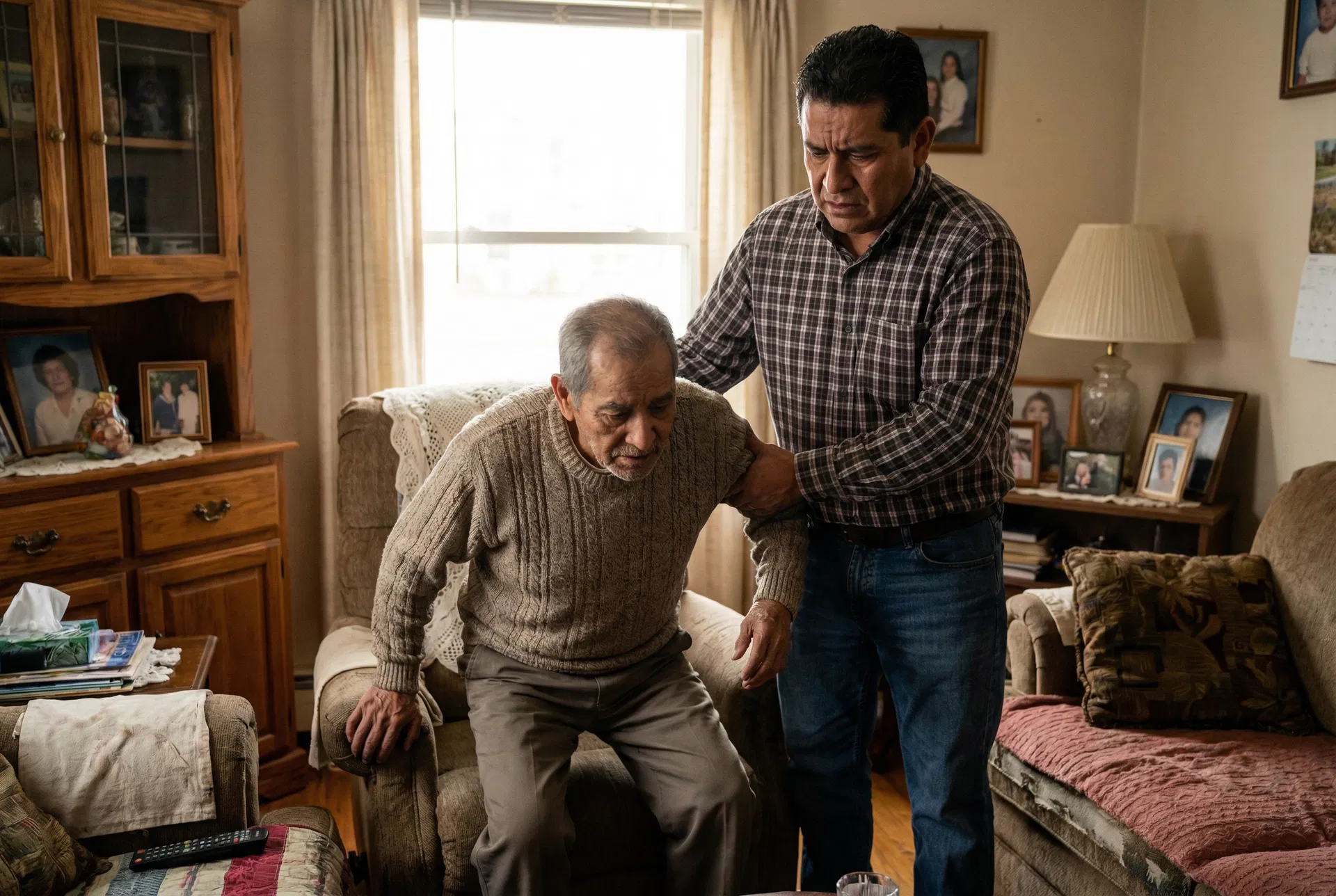
Most families don't recognize when it's time for assisted living until something goes wrong — a fall, a hospitalization, or a caregiver who has reached their limit. By then, options are narrower and decisions are made under pressure. The warning signs are usually visible months or even years earlier, but they are easy to explain away. This guide focuses on the 7 signs that consistently appear before a crisis, so you can act while you still have choices.
The signs to watch for fall into two categories: safety and function. Safety signs include falls, medication errors, and wandering. Functional signs include declining hygiene, missed meals, social withdrawal, and a home that is no longer being maintained. When you see multiple signs at once — or when a single sign is severe — it is time to take the situation seriously and begin evaluating assisted living options in Los Angeles.
Why Families Wait Too Long
The emotional decision often happens long after the practical signs were already there. Most families know something needs to change before they're ready to say it out loud.
Delay is almost universal—and understandable. Families often make this mistake for a few common reasons:
- Guilt: Moving a parent can feel like abandonment, even when it’s the safest choice.
- Fear: Many families avoid the conversation about moving to preserve peace, especially .
- Underestimating Risk: Gradual decline is easy to normalize. Each change seems small until the cumulative picture becomes a crisis.
Expert Insight: Waiting for a crisis doesn't protect your parent—it increases risk and severely limits your options. The families who plan ahead have more choices, less stress, and achieve better outcomes.
Is Your Parent Showing These Signs?
Don't wait for an emergency. Get a free, confidential assessment of your family's needs and see matched assisted living options in your area.
Get Help Understanding Your OptionsThe 7 Signs It's Time for Assisted Living
These seven signs are the most common indicators that a parent needs more support than they are currently getting. What works best is to look at them as a whole, not just as isolated incidents.
17 Signs It's Time for Assisted Living (Most Families Wait Too Long)
What It Looks Like: You might find missed doses, double-dosing, expired medications still in the cabinet, or general confusion about which pills to take and when.
Why It Matters: In most cases, medication errors are a leading cause of hospitalizations in older adults. Chronic conditions like heart disease or diabetes require precise, consistent medication. Even small mistakes can have big consequences.
If Ignored: Unmanaged medications can lead to serious health complications, emergency room visits, and a rapid decline in health. This is often a key trigger for needing more support.
2Frequent Falls or Near-Falls
What It Looks Like: Look for unexplained bruises, a new reluctance to walk without holding onto furniture, or your parent minimizing reports of 'almost falling.'
Why It Matters: The reality is, falls are the leading cause of injury-related death in adults over 65. A single fall can result in a hip fracture, hospitalization, and a significant loss of independence, often requiring a sudden move.
If Ignored: The risk compounds with each incident. A home that hasn't been adapted for fall prevention becomes increasingly dangerous. This is a clear sign that the current environment is no longer safe.
3Poor Hygiene or Housekeeping
What It Looks Like: Signs include unwashed clothes, body odor, a home that smells of spoiled food, dishes piling up, or a bathroom that hasn't been cleaned in weeks.
Why It Matters: These are often signs that daily tasks have become too difficult, either physically or cognitively. It can also indicate depression, which is common and often undiagnosed in older adults.
If Ignored: Poor hygiene increases infection risk. A cluttered, dirty home creates fall hazards and can signal deeper issues with self-care capacity.
4Weight Loss or Poor Nutrition
What It Looks Like: Noticeable weight loss, an empty refrigerator, expired food that hasn't been discarded, or your parent admitting to skipping meals.
Why It Matters: Malnutrition in older adults accelerates physical and cognitive decline. Cooking can become difficult due to mobility issues, cognitive changes, or simply a lack of motivation when living alone.
If Ignored: Chronic malnutrition weakens the immune system, reduces muscle mass, and increases the risk of falls and infections. It's a silent problem that can have severe consequences.
5Isolation or Depression
What It Looks Like: Withdrawal from activities they used to enjoy, rarely leaving the house, not answering calls, or expressing feelings of hopelessness or worthlessness.
Why It Matters: Social isolation is a significant health risk for older adults, with an impact comparable to smoking. Depression often goes undiagnosed and untreated in this population, but it is not a normal part of aging.
If Ignored: Prolonged isolation accelerates cognitive decline and increases mortality risk. It also makes it harder for family members to monitor for other safety issues,.
6Memory Issues Affecting Safety
What It Looks Like: Leaving the stove on, forgetting to lock the door, getting lost in familiar places, or being unable to remember recent, important conversations.
Why It Matters: Memory issues that affect daily safety are a clear signal that the current living situation is no longer appropriate. These are not normal aging—they are often .
If Ignored: Safety incidents will escalate. A forgotten stove can cause a fire. Getting lost can result in injury. These situations often trigger emergency placements under immense pressure.
7Caregiver Burnout
What It Looks Like: A family member (perhaps you) is exhausted, resentful, missing work, or experiencing health problems due to the demands of caregiving.
Why It Matters: Caregiver burnout is a serious health issue, and it signals that the current care arrangement is unsustainable. When the primary caregiver is depleted, the quality of care declines for everyone.
If Ignored: Burnout leads to caregiver health crises and relationship breakdown. Recognizing this sign is not a failure—it’s an honest assessment of capacity and a signal that it's time to get help.
When This Becomes a Safety Issue: Act Now
If you observe any of the following, the situation has moved beyond planning and requires immediate action to ensure your parent's safety:
- A recent fall resulting in injury, even if minor.
- Dangerous memory lapses, like leaving the stove on or wandering out of the house.
- A doctor or states your parent cannot safely return home alone.
- You, as the caregiver, are at a breaking point and can no longer provide safe care.
In these cases, it's critical to to prevent a catastrophic event.
Key Takeaways
- ✓Safety issues like falls and medication errors are urgent red flags.
- ✓Changes in hygiene, nutrition, and social behavior are often early indicators of decline.
- ✓Caregiver burnout is a sign the current situation is unsustainable for everyone.
- ✓Waiting for a crisis limits your options and increases stress; proactive planning is key.
- ✓The goal is not to remove independence, but to provide the right level of support to ensure safety and quality of life.
What to Do Next
Recognizing the signs is the first step. Here’s how to move forward productively:
- Document Your Concerns: Write down specific examples for each sign you've noticed. This helps move the conversation from feelings to facts.
- Talk to Your Parent: Use your notes to start a gentle, concerned conversation. Learn effectively.
- Consult a Professional: Schedule an appointment with your parent's doctor to discuss your concerns and get a medical perspective.
- Explore Your Options: Research the . Use a free service like Olive Hill Care to get a list of vetted communities without the sales pressure.
- Take a Tour: Visiting a few places can demystify the process for both you and your parent. Here are the key .
Frequently Asked Questions
Ready to Find the Right Support?
You don't have to make this decision alone. Our free advisory service helps you compare vetted Los Angeles assisted living and memory care communities, understand real costs, and find the safest fit for your parent.
Get Help Understanding Your Options100% free. No commitment.
Other guides families have found useful:
- How to Pay for Assisted Living When You Think You Can't Afford It
- Hidden Costs of Assisted Living (What Facilities Don't Tell You)
- 7 Signs It's Time for Assisted Living (Most Families Wait Too Long)
- How to Choose the Right Assisted Living Facility (Before It's Too Late)
- Assisted Living vs Memory Care: What Most Families Get Wrong
If you want help making the right care decision for your parent, you can start with a quick care assessment.
Start a Free Care AssessmentEven early research can help reduce stress later. There is no pressure or obligation.